The Overlooked Juice Add-In That Immunologists Say Actually Moves the Needle
Whenever cold and flu season rolls around, the same instinct kicks in for most Americans: grab a carton of OJ, maybe chase it with an elderberry gummy, and hope for the best. It's practically a national ritual. But if you've been building your immune-support juice routine around vitamin C alone, you might be leaving a lot of potential on the table.
We dug into the research and spoke with a few experts in immunology and integrative nutrition to find out which juice ingredients are genuinely doing heavy lifting for your immune system — and which ones are mostly just good marketing. The answers were honestly surprising.
Why Vitamin C Gets Way Too Much Credit
Let's be clear: vitamin C is not useless. It supports white blood cell production and acts as an antioxidant that helps neutralize oxidative stress. But Dr. Priya Nair, an integrative immunologist based in Chicago who consults with wellness clinics across the Midwest, puts it plainly: "Vitamin C is a foundation, not a strategy. If your immune system were a house, vitamin C is the concrete slab. But you still need the walls, the insulation, the wiring."
In other words, stopping at citrus is a little like buying a gym membership and only ever using the water fountain.
So what are the walls and wiring? Turns out, they're hiding in some ingredients most people don't think of as immune-boosters at all.
Polyphenols: The Underrated Immune Architects
Polyphenols are plant compounds that show up in a surprising range of juiceable foods — dark cherries, purple cabbage, pomegranate, even red beet skins. They're best known as antioxidants, but their immune-modulating function goes deeper than that label suggests.
A growing body of research, including studies published in the journal Nutrients, shows that certain polyphenols — specifically quercetin, resveratrol, and anthocyanins — can help regulate inflammatory signaling pathways. That matters because a lot of immune dysfunction isn't about having too few defenders; it's about inflammation getting out of hand and turning the body's response into a problem rather than a solution.
"Quercetin in particular has been studied for its ability to inhibit the release of histamines and modulate cytokine activity," says Dr. Marcus Webb, a researcher in nutritional immunology at a university wellness center in Portland, Oregon. "When you're juicing, adding foods high in quercetin — red onion, capers, kale, apples with the skin on — you're giving your immune system a kind of regulatory support it doesn't get from vitamin C alone."
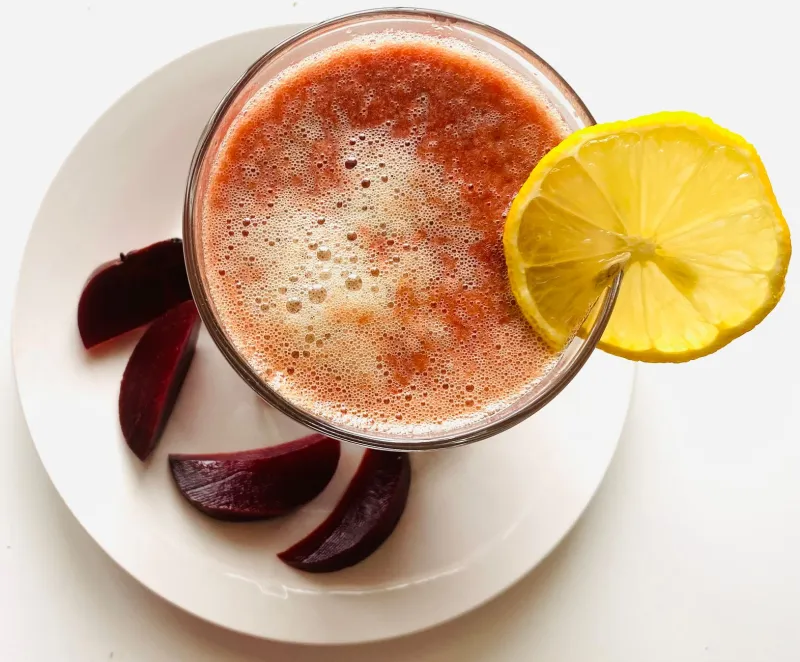
For juicing purposes, purple cabbage is one of the most underused polyphenol sources out there. A small handful blended into a beet-apple-ginger base adds a surprisingly mild flavor and a visual pop that honestly makes you feel like you're doing something right.
The Fermented Angle Nobody Talks About
Here's where things get genuinely interesting. One of the most effective immune-supporting additions to a juice routine isn't a juice at all — it's fermented.
A small splash of raw apple cider vinegar (the kind with the "mother," meaning it's unfiltered and contains live cultures) or a shot of water kefir added to your daily blend introduces beneficial bacteria that interact directly with gut-associated lymphoid tissue, or GALT. About 70% of your immune system lives in your gut, so supporting the microbiome isn't a side benefit — it's central to immune function.
"Most people think of probiotics as a digestive thing," Dr. Nair explains. "But the gut microbiome is in constant communication with immune cells. When you introduce fermented additions into your beverage routine, you're not just helping digestion — you're feeding the environment where a huge portion of immune surveillance happens."
A tablespoon of raw ACV in a turmeric-lemon-ginger juice is barely noticeable flavor-wise, especially if you're already used to tart profiles. Water kefir, available at most Whole Foods and co-ops across the US, blends beautifully with pineapple and mint for a light, refreshing option that doesn't taste medicinal at all.
Beta-Glucans: The Mushroom Secret
If you've been seeing mushroom powders pop up at your local juice bar, there's a reason beyond the trend factor. Beta-glucans — a type of soluble fiber found in medicinal mushrooms like reishi, lion's mane, and chaga — have been studied extensively for their immunomodulatory effects.
Beta-glucans work by binding to receptors on immune cells called macrophages and natural killer cells, essentially putting those cells on alert without triggering a full inflammatory response. Think of it as a training drill for your immune system rather than a fire alarm.
Adding a half-teaspoon of chaga or reishi powder to a cold-pressed apple-cinnamon juice is one of the easiest upgrades you can make to your routine. The earthy, slightly bitter notes actually complement spiced juice blends really well, and you won't taste anything that screams "supplement."
A Simple Recipe to Pull It All Together
Want to put this into practice? Here's a blend that layers several of these underrated immune-supporters into one genuinely drinkable juice:
The Defender Blend
- 2 medium beets (skin on for polyphenols)
- 1 cup purple cabbage
- 2 apples (skin on for quercetin)
- 1-inch knob of fresh ginger
- 1/2 teaspoon chaga mushroom powder
- 1 tablespoon raw apple cider vinegar (added after pressing)
- Juice of 1/2 lemon
Press or cold-press the beets, cabbage, apples, and ginger together. Stir in the chaga powder, ACV, and lemon juice after extracting. Drink within 20 minutes for maximum enzyme and polyphenol activity.
It's earthy, a little tart, and genuinely satisfying in a way that feels like more than just a drink.
The Bottom Line
Building real immune support through your juice habit isn't about loading up on one superstar ingredient. It's about layering — polyphenols for regulatory support, fermented additions for microbiome health, beta-glucans for cellular priming, and yes, some vitamin C for good measure.
The next time you're standing in the produce aisle thinking about immunity, don't just reach for the navel oranges. Grab some purple cabbage, a few apples with the skin still on, and maybe a bottle of raw ACV on the way out. Your immune system is a system — and it responds best when you treat it like one.