The Secret Ingredient Your Juice Is Missing for Full Nutrient Power
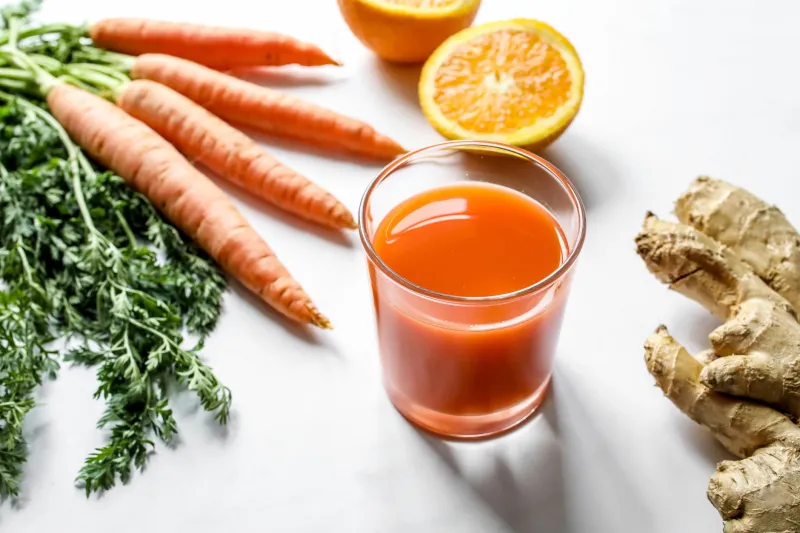
You spent good money on organic beets, fresh turmeric, and a cold-press juicer that costs more than your first car payment. Your morning juice looks like something straight off a wellness influencer's feed. So why isn't your body getting the full benefit?
The answer isn't in what you're putting in your juice — it's in what you're leaving out. A handful of overlooked compounds can literally determine whether your body absorbs those hard-earned nutrients or just flushes them away. Let's break down exactly what those are and how to use them.
Why Nutrient Absorption Is More Complicated Than You Think
Here's the thing about nutrition that doesn't get nearly enough airtime: eating (or drinking) a nutrient and actually absorbing that nutrient are two very different events. Scientists call the measure of how well your body uses a nutrient its "bioavailability," and it varies wildly depending on what else is in your system at the time.
Fat-soluble vitamins — think beta-carotene in carrots, lycopene in tomatoes, and vitamins A, D, E, and K — literally cannot be absorbed without dietary fat present. They need fat molecules to hitch a ride through your intestinal wall. If you're sipping a gorgeous carrot-ginger juice on an empty stomach with zero fat content, you could be missing out on a significant chunk of those vitamins before your body even gets a chance to use them.
Similarly, certain plant compounds called phytonutrients have absorption barriers that specific natural compounds can help break down. This is where it gets genuinely exciting.
Black Pepper: The Tiny Add-In with Outsized Power
If you've looked into turmeric at all, you've probably heard about curcumin — the active compound responsible for its anti-inflammatory reputation. What you may not know is that curcumin has notoriously poor bioavailability on its own. Studies have shown that pairing it with piperine, the active compound in black pepper, can increase curcumin absorption by up to 2,000 percent. That's not a typo.
Piperine works by inhibiting certain metabolic enzymes that would otherwise break down curcumin before your body can use it. It also slows intestinal transit slightly, giving your gut more time to absorb what's passing through.
A tiny pinch — and we mean tiny, like a small crack of a pepper grinder — added to a turmeric-based juice is genuinely one of the easiest, cheapest upgrades you can make to your routine. You won't taste it in any significant way, but your cells will notice.
Try it: Blend fresh turmeric, pineapple, lemon, and a very small pinch of freshly cracked black pepper. The pineapple sweetness balances the earthiness, and the pepper quietly does its job in the background.
Healthy Fats: The Carrier Your Fat-Soluble Nutrients Desperately Need
This one surprises people. Juice is inherently a low-fat drink, which makes it feel counterintuitive to add fat to it. But if your juice contains any orange, carrot, spinach, kale, or tomato — all rich in fat-soluble carotenoids — a small amount of healthy fat can meaningfully change how much of that nutrition you actually retain.
A 2012 study published in the American Journal of Clinical Nutrition found that participants who ate salads with fat-containing dressing absorbed significantly more carotenoids than those who ate the same salads fat-free. The same principle applies to your juice.
You don't need much. A small drizzle of flaxseed oil, a few drops of MCT oil, or even blending your juice with a quarter of an avocado can do the trick. Avocado is particularly versatile here because it adds a creamy texture, a dose of potassium, and those critical fat molecules without overpowering your flavor profile.
Try it: Blend spinach, cucumber, green apple, lime, and a small wedge of avocado. You'll get a silky green juice that's far more nutritionally complete than a straight press of the same greens.
Ginger: More Than Just a Flavor Boost
Ginger already shows up in a lot of juice recipes, usually because it adds a sharp, warming kick that balances sweeter ingredients. But ginger also plays a functional role in how your body processes what you're drinking.
Gingerols and shogaols — the active compounds in ginger — have been shown to stimulate digestive enzyme activity, which helps your gut break down and process nutrients more efficiently. Ginger also has well-documented effects on gastric motility, meaning it helps move things through your digestive system in a more regulated way. Better digestion equals better nutrient uptake, plain and simple.
Beyond digestion, ginger has mild anti-inflammatory properties that support the gut lining itself, which is the actual surface through which nutrient absorption happens. A healthier gut lining means a more efficient nutrient transfer.
Try it: Combine fresh beet, apple, carrot, and a generous thumb of fresh ginger. The earthiness of the beet and the sweetness of the apple create a base that lets ginger shine without overwhelming.
Vitamin C Pairings: Unlocking Plant-Based Iron
If you're relying on leafy greens like spinach or kale for iron — especially common for vegetarians and vegans — there's a pairing trick that makes a real difference. Plant-based iron (called non-heme iron) is significantly harder for the body to absorb than the iron found in meat. However, vitamin C consumed at the same time can convert non-heme iron into a form your body processes far more easily.
This means pairing your green juice with citrus isn't just about flavor — it's a nutritional strategy. Lemon, orange, grapefruit, or even a small splash of pineapple juice alongside spinach or kale can meaningfully increase how much iron you're actually getting from those greens.
Try it: Juice kale, celery, cucumber, and a full lemon. Simple, clean, and genuinely more effective than the same juice without the citrus.
Building Smarter Juice Combinations
Once you start thinking about absorption alongside ingredients, your whole approach to juicing shifts. It's not just about cramming in the most nutrient-dense produce you can find — it's about creating combinations where each element helps the others work harder.
Here's a quick cheat sheet to keep in mind:
- Fat-soluble nutrients (carrots, tomatoes, leafy greens) → pair with a small amount of healthy fat
- Turmeric or curcumin-rich ingredients → always add a pinch of black pepper
- Plant-based iron sources (spinach, kale) → include a citrus element
- Any juice → add fresh ginger to support overall digestive efficiency
These aren't complicated changes. Most of them take seconds and cost almost nothing extra per serving. But the difference in what your body actually gets from your juice? That part is anything but small.
The Takeaway
Your juice habit is already doing good things. But if you're investing in quality produce and spending time making fresh drinks every day, it makes sense to make sure your body is getting everything those ingredients have to offer. A pinch of pepper, a slice of avocado, a knob of ginger, or a squeeze of lemon isn't just a recipe flourish — it's the difference between a pretty drink and a genuinely functional one.
Fuel your day smarter, one intentional sip at a time.